
Let’s be honest: Multi-Factor Authentication (MFA) can be annoying. Entering a code, approving a notification, or using biometric verification adds another step when you simply want to log in. But in 2026, that small inconvenience is one of the most important ways businesses can protect their systems, data, and customers.
At the end of the day, it’s better for the cybercriminals to be annoyed than you – meaning, by adding MFA you are adding extra steps for bad actors to gain access to your valuable data.
Yes, it is an extra step for you too – but it is worth it!
At AccuNet, we regularly see businesses dealing with compromised accounts because MFA was not enabled, particularly Microsoft 365 accounts. A stolen or compromised password can give cybercriminals an open door to business systems. MFA adds another layer of protection, making it significantly harder for attackers to gain access, even when they have obtained a password.
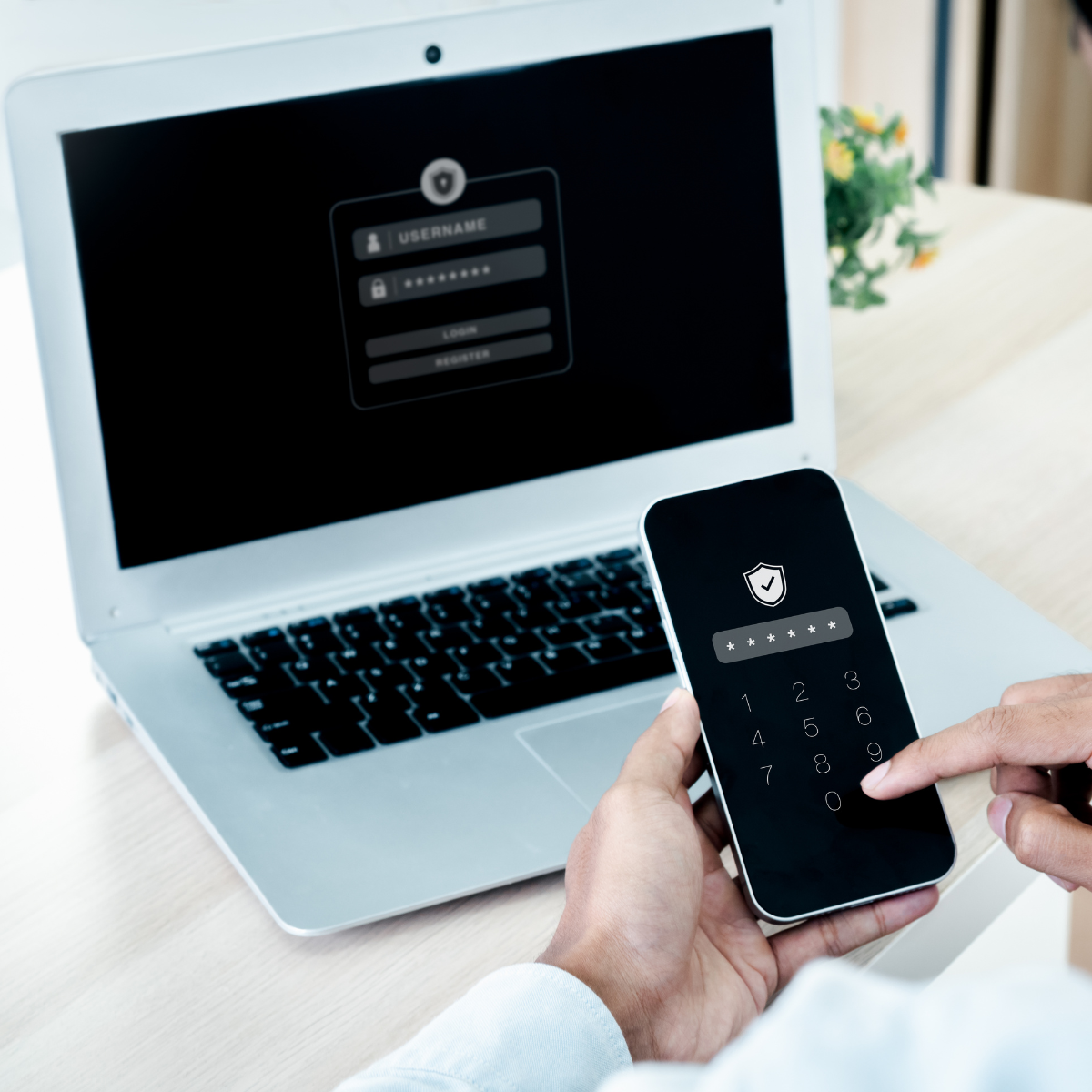
MFA works by requiring two or more forms of verification. Depending on the system, this might include something you know, such as a password; something you have, such as your phone; or something you are, such as a fingerprint or facial recognition. These additional security layers can help protect sensitive business information from unauthorized access.
MFA is also an important defense against phishing. Cybercriminals frequently use convincing emails and fake login pages to trick employees into revealing passwords. While MFA is not a complete solution to every cyber threat, it can provide an additional barrier when passwords are compromised.
Why Should Your Business Implement MFA?
There are several reasons organizations should make MFA a priority in 2026:
- Protects compromised passwords: MFA can prevent attackers from accessing accounts using stolen credentials alone.
- Helps defend against phishing: An additional authentication factor makes stolen passwords less useful to criminals.
- Secures cloud systems: MFA can provide critical protection for platforms such as Microsoft 365 and other cloud services.
- Supports compliance: MFA may help organizations meet security requirements associated with standards and regulations such as HIPAA and GDPR.
- Reduces potential costs: Preventing an account compromise can be far less expensive than recovering from a breach, fraud, or operational shutdown.
- Builds customer confidence: Strong security practices demonstrate that your business takes data protection seriously.
The reality is, in this day and age, passwords alone are no longer enough. MFA may add a few seconds to the login process, but those seconds can help prevent hours, days, or even months of disruption. In 2026, MFA should not be considered an optional part of your cybersecurity strategy.
AccuNet Inc.
Want to learn more about what an experienced IT support team can do for your organization or small business? Contact us today! We can help.